Order honey
SLENDEITFR
Home/About
Gregor LužarGregor Lužar

Story

Čebelarstvo Gregor Lužar

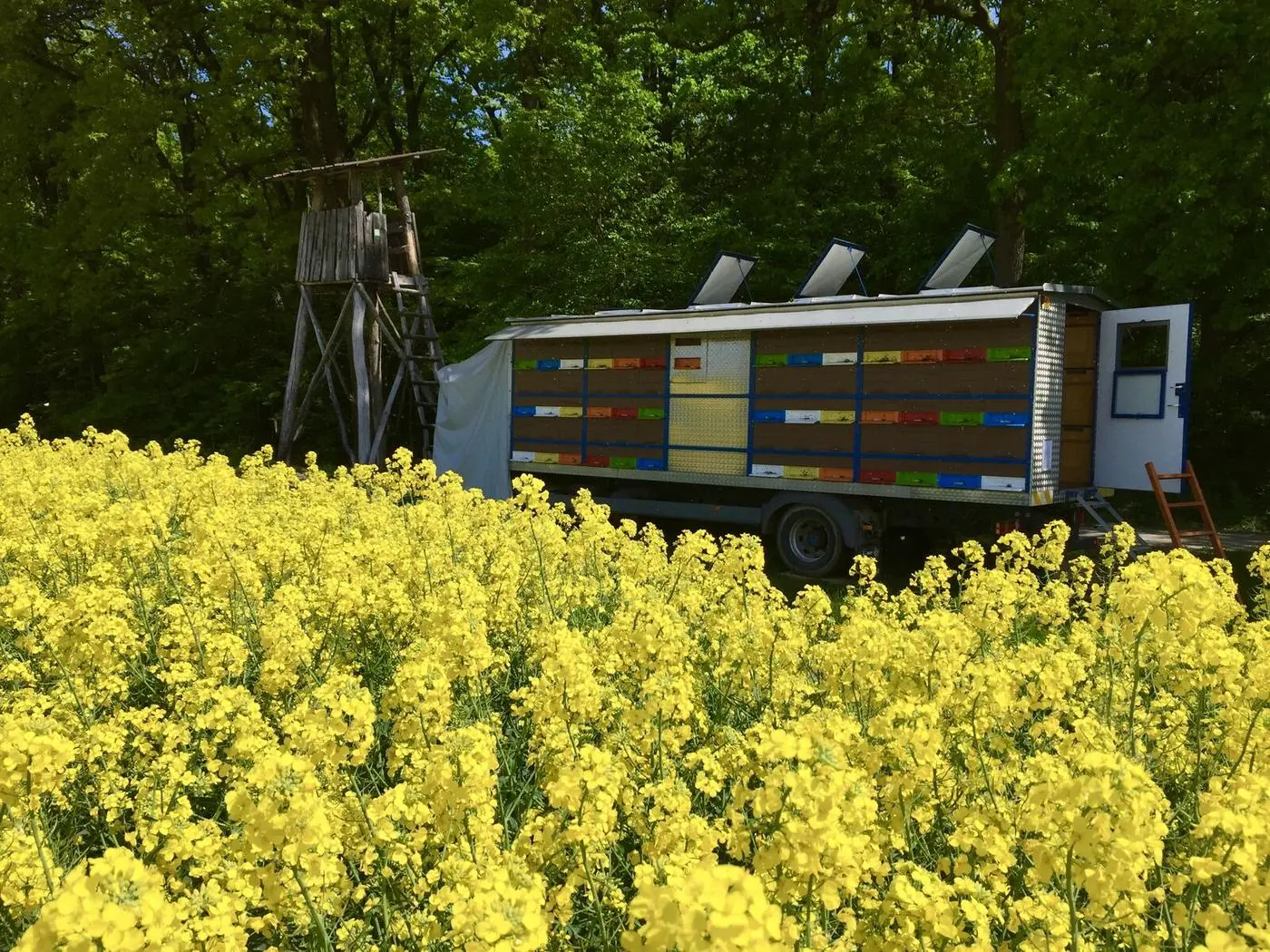
It all began in 1992 with two hives in the garden at home in Dob. Today I care for around 350 bee colonies and move them to different parts of Slovenia during the foraging season.

The essence remains the same: to be with the bees at the right time, make the most of what nature offers, and keep the honey as the bees produced it.

I move my bees to different foraging areas across Slovenia – from acacia, linden and chestnut to spruce and silver fir in Slovenian forests. Some nectar and honeydew flows last only a week or two; others can last longer. Every year is different, and the success of each flow depends on nature, the weather and getting the timing right.

We extract the honey when it is ripe and ready for extraction. I then carefully fill it into jars myself, taking care to preserve all its natural properties.
Gregor Lužar
beekeeper · Dob near Domžale

With the bees

From forage to jar.

None of this was filmed in a studio. This is my honey extraction room in Dob, where, during the beekeeping season, we extract honey from combs that were still in the hive earlier that same day.

  • The comb goes into the extractor. As the extractor spins, centrifugal force pushes the honey out of the comb cells. It then runs down the walls of the extractor and collects at the bottom.
  • The honey flows through the tap. Once the honey has collected at the bottom of the extractor, we open the tap and let it flow into a container.
  • Each extraction gets its own LOT code. The LOT code on the jar allows the honey to be traced back to the individual extraction.
Honey flows from the tap
Honey extractor
“My name stands behind the quality of my honey.”
Gregor Lužar, beekeeper

From hive to jar

Four steps, no shortcuts.

Honey quality begins with attentive care of the bees and thoughtful selection of foraging areas. From hive to jar, every step calls for care, experience and respect for nature.

Flowering meadowVideo
01

Forage

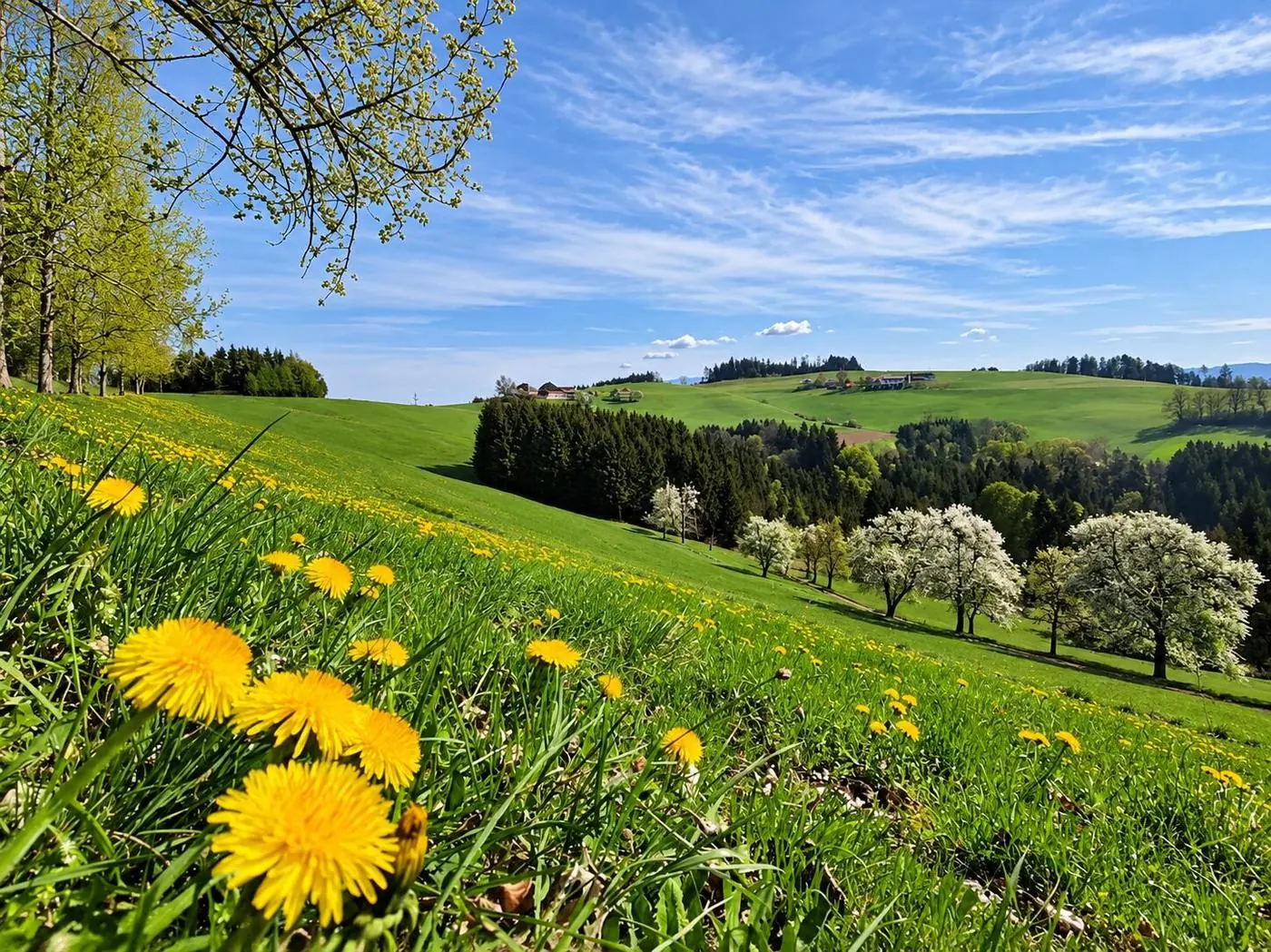
The hives are moved to different nectar and honeydew flows – from dandelion, acacia, linden and chestnut to silver fir and spruce. Each flow has its season, and its course depends on nature and the weather.

Moving bee coloniesVideo
02

Moving the bees

I transport the bees to foraging areas at night, when they are inside their hives. I choose each new apiary site according to the available forage, even if the route there is not the easiest.

Honey-filled combVideo
03

Extraction

I wait until the honey is sufficiently ripe before extracting it. Capped comb is not the only consideration: the honey must also have a suitable moisture content.

Jar of honeyVideo
04

Filling

I carefully fill the honey into jars myself. I label every jar with a LOT code and a date, allowing the honey to be traced back to the individual extraction.