01
Acacia forage
Acacia, more precisely black locust (Robinia pseudoacacia L.), is an important nectar-producing tree species. Its flowering time depends strongly on the progression of spring and weather conditions.
Acacia honey →Learn · Bee forage
Individual honey flows do not occur everywhere at the same time and are not equally abundant every year.
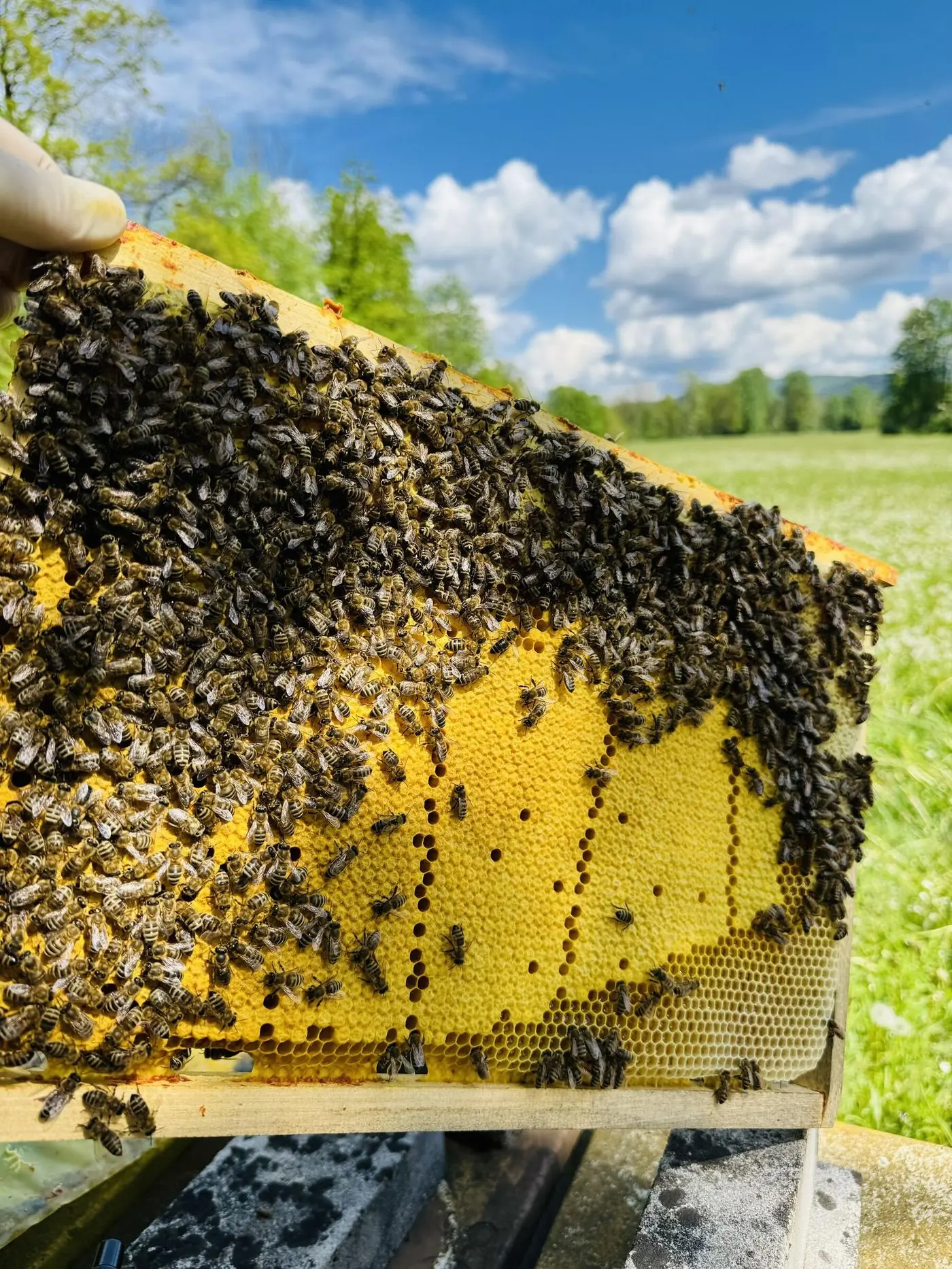
I started moving bee colonies in 1997. I take them to different parts of Slovenia, where they use different forage sources depending on the season, vegetation development and conditions.
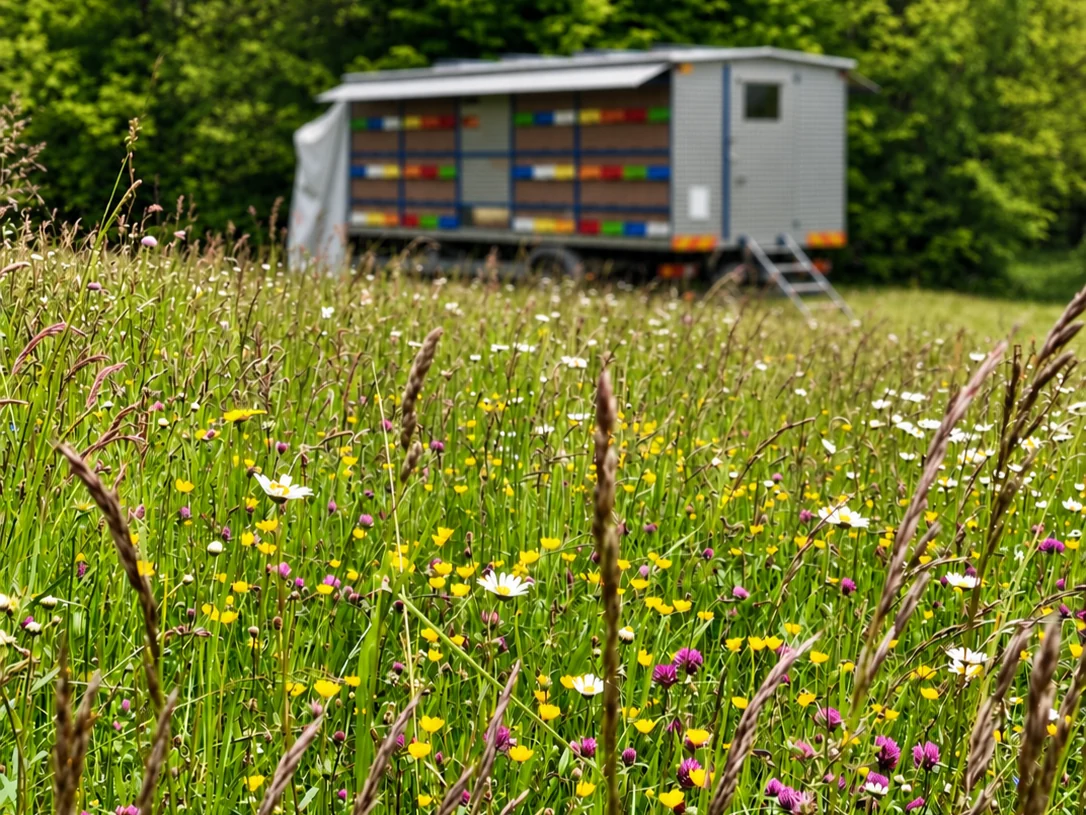
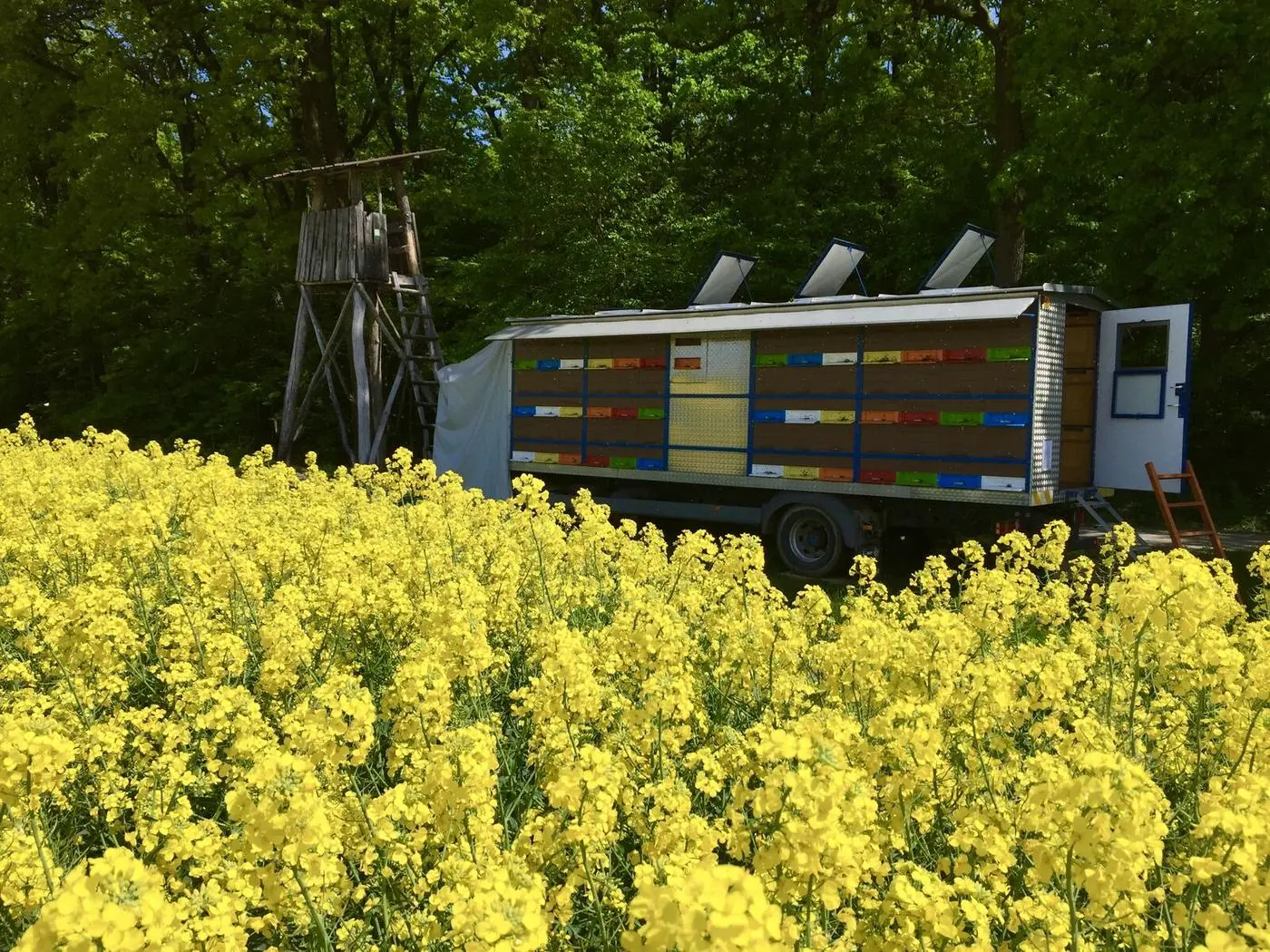
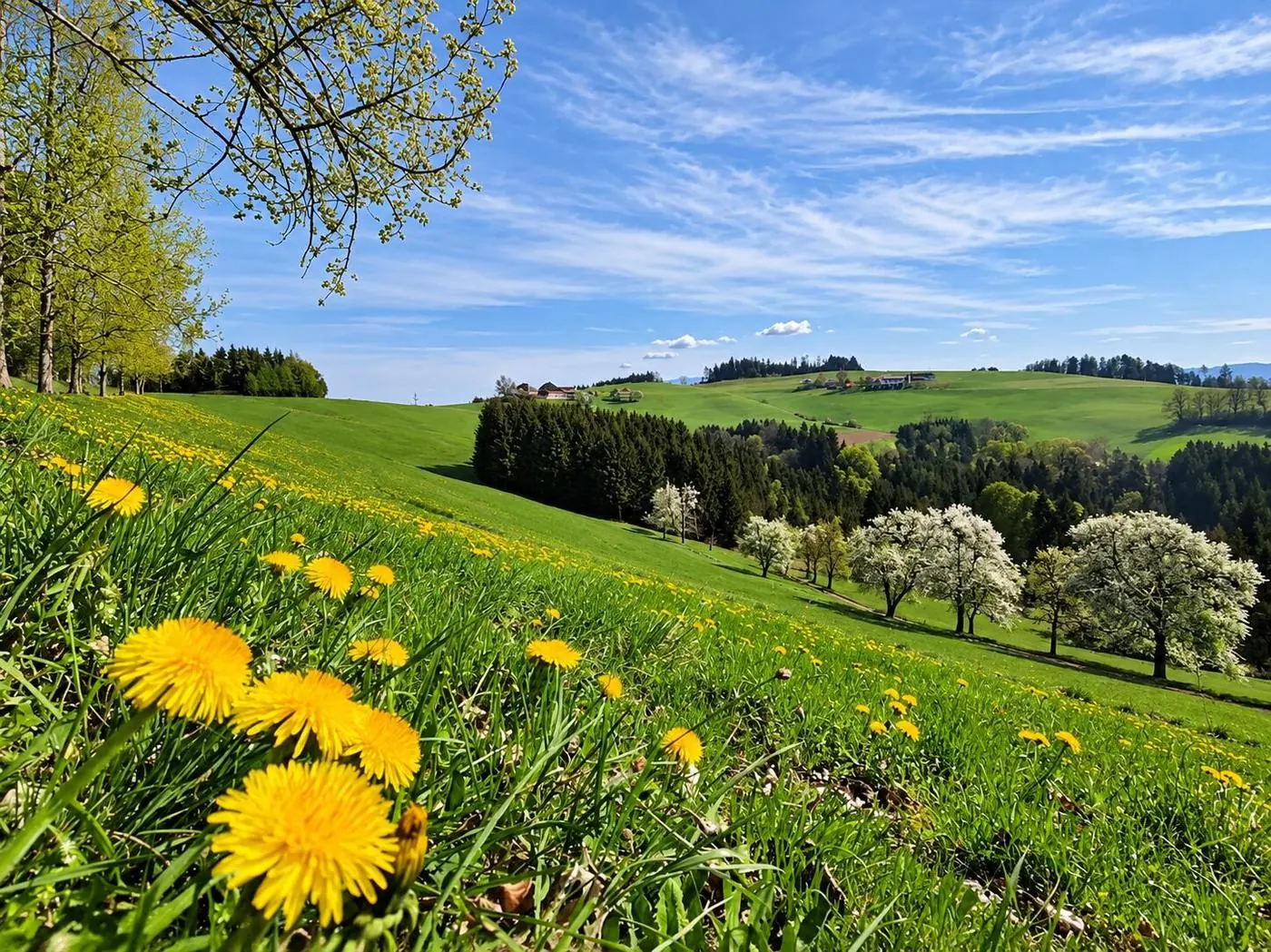
Acacia, more precisely black locust (Robinia pseudoacacia L.), is an important nectar-producing tree species. Its flowering time depends strongly on the progression of spring and weather conditions.
Acacia honey →For wildflower honey, bees forage on many different flowering plants. The mix of flowers varies with location, season and the plants in bloom.
Wildflower honey →Linden flowers in early summer. Bees can collect nectar from linden and, in certain conditions, honeydew as well. I have also used the Ribnica area for linden forage on several occasions.
Linden honey →Sweet chestnut (Castanea sativa) flowers in summer. I use extensive chestnut forests in the Jevnica and Janče area for this forage.
Chestnut honey →Spruce honey is made from honeydew that bees collect on spruce trees. Honeydew is a sweet substance associated with the secretions of insects that feed on plant sap.
Spruce honey →Silver fir honey is a honeydew honey. I move colonies to forested areas of Slovenia for silver fir forage when conditions allow a good flow.
Silver fir honey →Forest honey is not tied to a single tree species. It is produced mainly from honeydew on various forest plants and trees; depending on conditions, some nectar may also be present.
Forest honey →